

Exploring Pigments
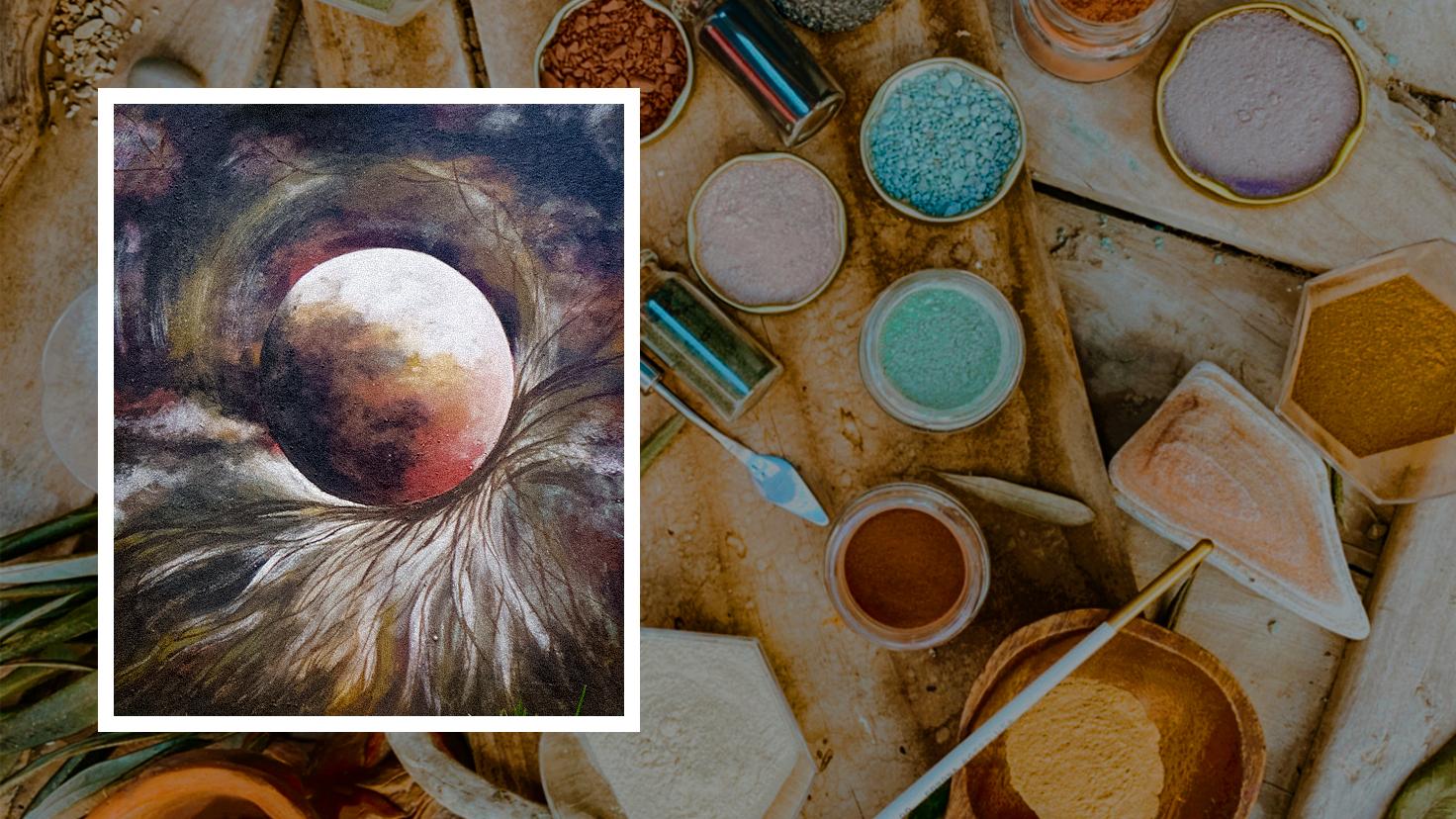
I have always loved the idea of making my own art materials, and at the same time have always been interested in their history. For me, pigments represent art materials in their purest form, and have a beauty all of their own. Nowadays, most people buy ready made art materials, with a vast array of pre-mixed paints available, but the basic pigments have always been available for artists to purchase and mix their own paints, while if you really want to take it even further and source your own pigments and colours from nature, it can be an entire voyage of discovery!
Unlike many ready-mixed paints which will dry out and deteriorate over time, pigments, if kept correctly, will last indefinitely and combined with a binder, can be used for making paints of all kinds as well as oil and chalk pastels. While time consuming to make there is lots to learn, and from an educational point of view, it’s an activity that pulls in a lot of different topics, ranging from chemistry, biology and geology, to art history and of course art itself in putting them to good use.
If like me, you enjoyed creating ‘potions’ as a child, this is an activity for you, if you get pleasure from creating something from scratch, being out in nature, creating beautiful colours, again this is an activity for you. Please note however, that some of the traditional pigments available can be quite toxic, so many are not suitable for children’s use. There are ways to involve children in some of these activities though, and my earlier post exploring this topic has a few more child friendly suggestions. Proper safety precautions should always be taken when working with pigments.
Every pigment will have its own characteristics which cause it to behave differently, but part of the beauty of using foraged items from your local environment to create your own paints, is that you create your own unique palette of colours that reflects the area and its geology. However, bear in mind that when it comes to foraged pigments, some will be more unstable than their commercial cousins, so for example they might fade in the light or oxidise over time. This is one of the reasons that so many older paintings from history look very different from how they appeared when first painted, but while some materials might be relatively stable for a hundred years or more, others might change appearance within months or even weeks, depending upon the conditions they are exposed to.
Since I last wrote about the subject there seems to have been a surge of interest in creating and using natural pigments, and there are now lots of useful sources of information on the subject online, so I thought it might be helpful to save people the effort, and put together a collection of some of the best.
Disclosure: some of these resources are affiliate links, which means I will earn a small commission if you go on to purchase through them.
How to Guides
If you want to explore the topic further there is the following wonderfully inspirational blog Lost in Colours which is devoted to the subject of making your own colours, pigments and art materials from them, including how to find, explore and experiment with them. The author is both a chemist and watercolour artist.
Another incredibly rich resource for information about pigments and making your own art materials is the following website: Pigments Revealed and there are also some useful notes on Polly Bennett’s website.
Further free guides are also available from the following sources:
The Wild Pigment Project allows artists to share recipes and pigment discoveries from different locations, offering a whole world of pigments to explore through reciprocal exchange opportunities.
Books
If like me you love books and want to have your own inspirational source of information sat on a shelf close by, then you might find the following books useful.


Video
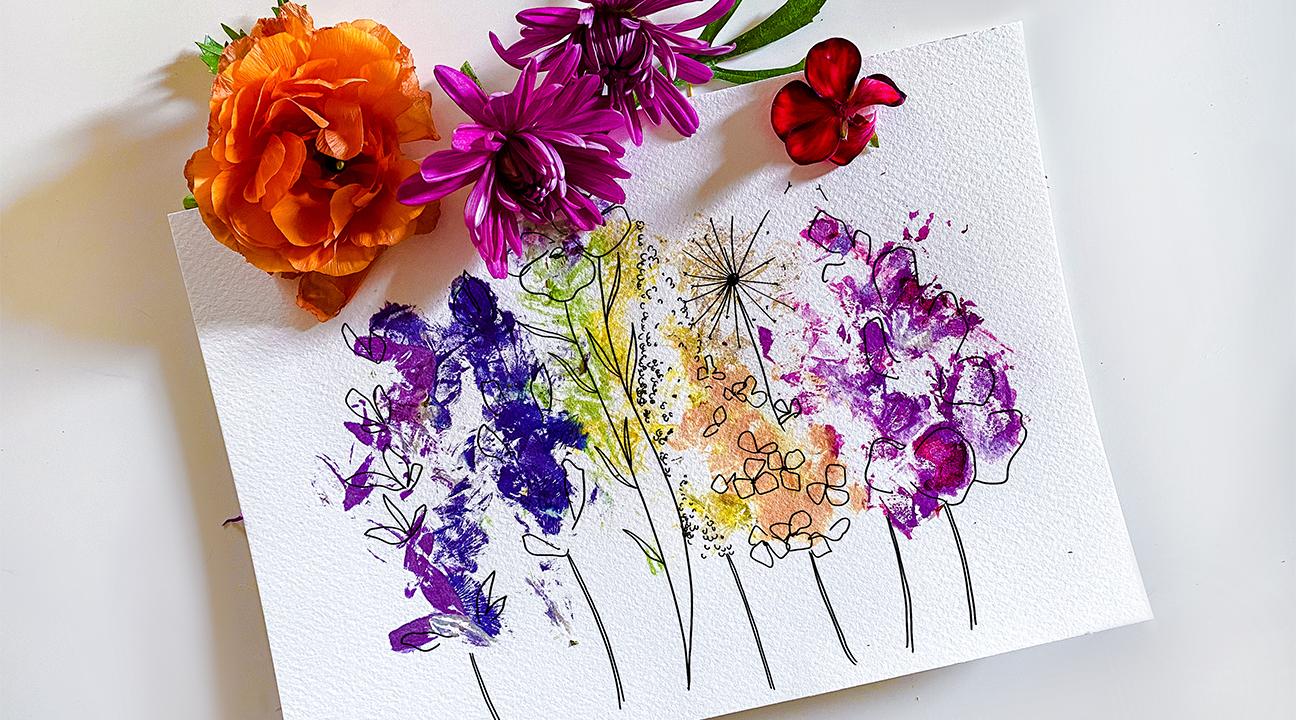
If you are more of a visual learner and prefer someone to demonstrate what to do, then there are a number of online classes available on the subject of creating your own art materials.
Disclosure: the videos I have featured below are affiliate links and I receive a commission from Skillshare for purchases or leads generated through this link.

Supplies
Creating your own pigments and colours from nature while fun, can be time consuming, so if you want to get reliable results more quickly, then purchasing ready made pigments might be the way to go. Release your inner Renaissance artist – even if you never use them again, they will look beautiful lined up on a shelf in glass jars! Fortunately unlike ready made oils and acrylics which dry up over time, most pigments, if looked after properly should last indefinitely.
You can buy quality artists pigments online from the following stores:
Jackson's Art
L. Cornellissen & Son
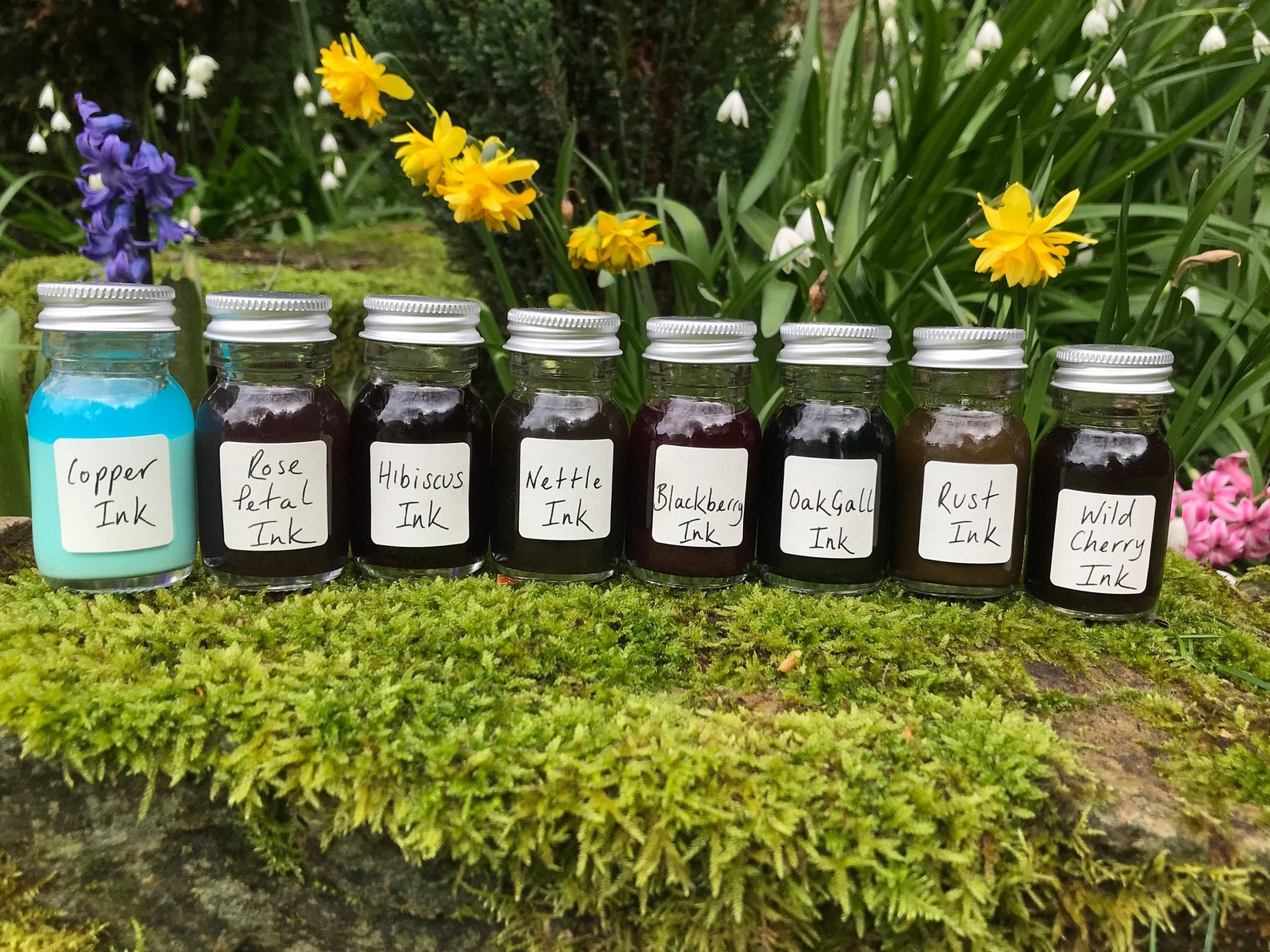
If you don’t have the time to create the materials yourself but want to use all natural paints, there are also a number of beautiful ranges out there for you, such as those below:


I hope you’ve been inspired, and if so I hope you have fun creating your own unique pigments!


You May Also Like

Quality Counts
February 13, 2012
Making Arty Party Pieces
July 9, 2012